
Address
Plan IPv4 and IPv6 networks.
Subnet, address and verify networks, and choose between TCP and UDP for a service.
Rooman's CCNA course is 50 hours of instructor-led training for Cisco's CCNA 200-301 exam, taught with live labs on real Cisco routers and switches. It covers every exam domain: network fundamentals, network access, IP connectivity, IP services, security fundamentals, and automation and programmability, and you earn the Rooman Certificate.
What you'll be able to do
CCNA is Cisco's associate-level certification and the usual first step into networking.
Address
Subnet, address and verify networks, and choose between TCP and UDP for a service.
Connect
Configure VLANs, trunks, EtherChannel, Rapid PVST+, static routes and single-area OSPF.
Secure
Apply ACLs, port security and SSH, and read JSON from a controller's REST API.
Who it's for
The course is for students, graduates and IT support staff who want to start a career in networking. Cisco sets no prerequisite for CCNA, and you do not need networking experience to begin.
Not sure which certification fits? Take the 10-minute career assessment, or talk to a counsellor.
50 hours · 6 modules
Six modules, one for each CCNA exam domain in the order you build a network, with an exam-readiness review in the last. Weightings are Cisco's own.
Cisco domain 1.0 (20% of the exam): how networks are built and addressed.
Topics covered
You produce: an addressing plan for a branch network.
Cisco domain 2.0 (20%): switching, VLANs and wireless access.
Topics covered
You produce: a switched campus with VLANs and trunks.
Cisco domain 3.0 (25%): how routers choose a path.
Topics covered
You produce: a routed network running OSPF.
Cisco domain 4.0 (10%): the services every network relies on.
Topics covered
You produce: NAT, DHCP and NTP working on your network.
Cisco domain 5.0 (15%): locking down devices and traffic.
Topics covered
You produce: a hardened network with ACLs and port security.
Cisco domain 6.0 (10%), then a review of every domain.
Topics covered
You produce: an exam-readiness review.
Tools covered
You configure real Cisco equipment in the lab.
| Tool group | Tools | What you use them for |
|---|---|---|
| Lab hardware | Cisco routers and switches | Build, configure and troubleshoot every lab |
| Simulation | Cisco Packet Tracer | Practise topologies between lab sessions |
| Device access | Cisco IOS CLI, SSH | Configure and verify devices |
| Automation | REST APIs, JSON | Read and change network state from code |
Capstone
Your final lab brings every domain together: you address, switch, route and secure a small branch network on real Cisco kit, then find and fix the faults your instructor introduces.
Every module ends with a live lab on real Cisco routers and switches.
Your credential
The Rooman Certificate, then Cisco's CCNA. You earn the Rooman Certificate when you complete the course, and the CCNA itself when you pass Cisco's 200-301 exam.
CCNA is valid for three years, and you renew it with Cisco continuing-education credits or by passing an exam again. Cisco's exam is 120 minutes, in English or Japanese.
What's included
The awarding body
Cisco awards the certification and sets its exams, and Rooman trains you for them. The current exam details are on the Cisco site.
Rooman has taught Cisco certifications since 2000, and was the first Indian institute to teach CCNA on real Cisco routers instead of simulators.
Before you enrol
Can't find your answer? Call 080 6945 1000 or WhatsApp us.
Students, graduates and IT support staff who want to start a career in networking. You do not need networking experience.
Cisco's CCNA 200-301 exam. The course follows Cisco's current v1.1 exam topics. Cisco's v2.0 exam replaces it on 3 February 2027, and a counsellor will tell you which version your batch prepares for.
No. Cisco sets no prerequisite for CCNA.
50 hours of instructor-led training, with live labs in every module.
Yes. Rooman was the first Indian institute to teach CCNA on real Cisco routers rather than simulators, and has taught on real kit since 2000. You also use Cisco Packet Tracer to practise between sessions.
Six domains: network fundamentals (20%), network access (20%), IP connectivity (25%), IP services (10%), security fundamentals (15%), and automation and programmability (10%).
Three years. You renew it with Cisco continuing-education credits or by passing an exam again.
CCNP Enterprise, Cisco's professional-level certification, which Rooman also teaches.
The Rooman Certificate when you complete the course, and the CCNA from Cisco when you pass the exam.
Rooman's retry-until-pass support: if you do not pass first time, your preparation continues until you sit the exam again and pass it.
Talk to a Rooman counsellor on 080 6945 1000 or WhatsApp +91 97390 86029. They will share current fees, payment options, exam registration and upcoming batch dates.
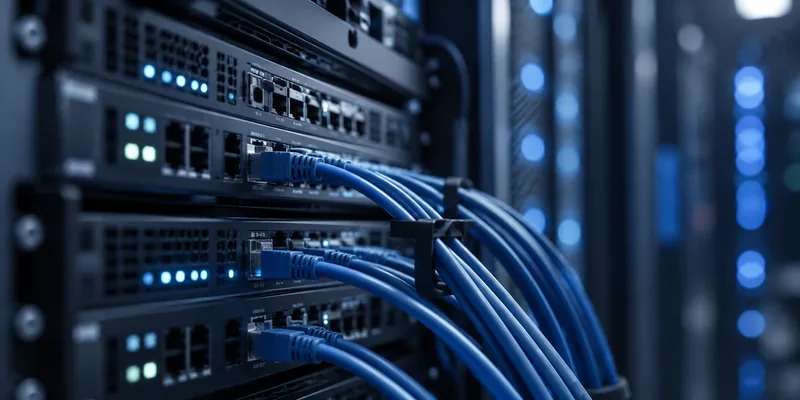 120 hrsCiscoCCNP EnterpriseEnterprise networks, designed and run. Prepares for Cisco ENCOR 350-401 + ENARSI 300-410.
 100 hrsEC-CouncilCEHThink like an attacker. Defend like a pro. Prepares for EC-Council CEH v13 (312-50).
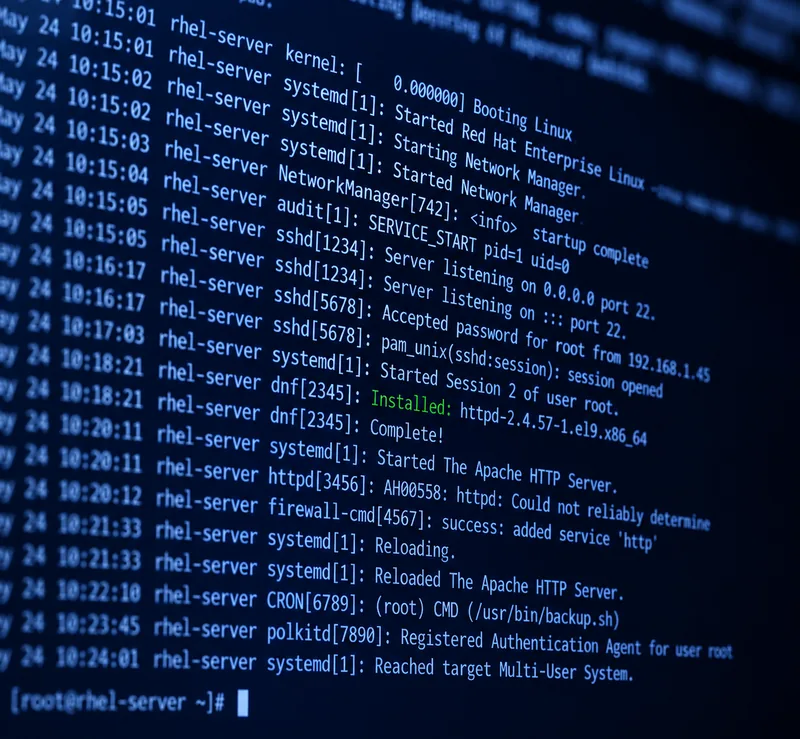 120 hrsRed HatRHCSARun Linux the way enterprises do. Prepares for Red Hat EX200.For companiesTraining your whole team?Run any certification course as a private batch for your IT team, with the same curriculum and live labs.Talk to us
Next step
Tell us which certification you are aiming for, and a counsellor will call you with batch dates, fees and exam registration.
Course details reviewed on 25 September 2026.